Our approach

‘Transforming Cancer Care in India,’ is the ambitious vision of the Tata Trusts. The Tata Cancer Care Foundation (TCCF) has been conceptualised to fulfil the need for affordable cancer treatment in India. To tackle the burgeoning burden and provide the best cancer treatment in India, TCCF has developed an innovative ‘Distributed Model of Cancer Care’ having four pillars.

Distributed Model of Cancer Care
Enhanced Access

Enhanced Access

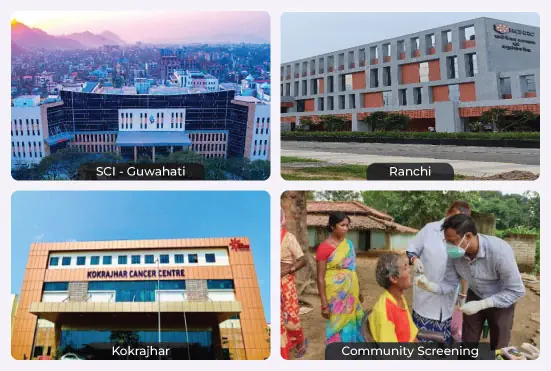
To ensure the availability of cancer care in India and the best cancer treatment in India at every level, a tiered service delivery model has been adopted. The model comprises four levels:

  • Level 1: Apex centres offering advanced diagnostics, treatment, prevention, awareness, and early detection.
  • Level 2: Dedicated cancer procedure units in government medical colleges or multi-specialty hospitals.
  • Level 3: Diagnostics and daycare units in district hospitals.
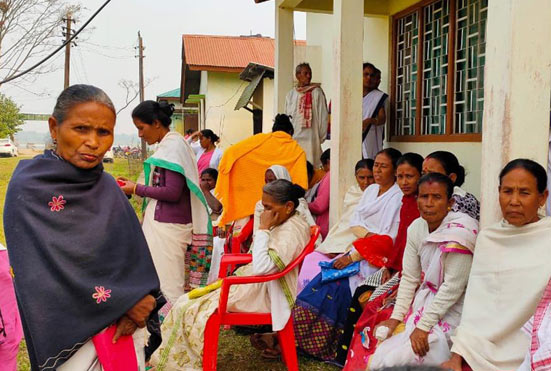
  • Level 4: Awareness, community screening, and home-based palliative care.

All units will have standardized designs, world-class interiors and best in class medical equipment. Large scale infrastructure development will be supplemented with trained healthcare professionals and workers. Bespoke standardized and accredited courses are being created. The programme will focus on providing consistent training, growth and development opportunities.

Learn more

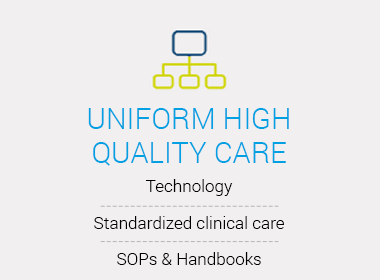
Uniform High Quality Care

The cancer care India delivered and envisioned is along international clinical guidelines and protocols for affordable cancer treatment.

  • Centralised command centre.
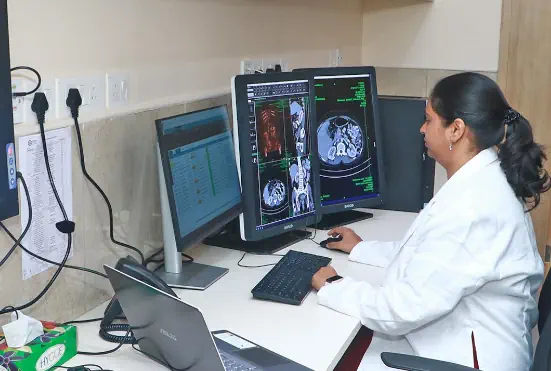
  • Remote radiology and pathology reporting.
  • Virtual consultations and tumour boards.
  • National Cancer Grid (NCG) membership for standardised care, training, and research.
Learn more

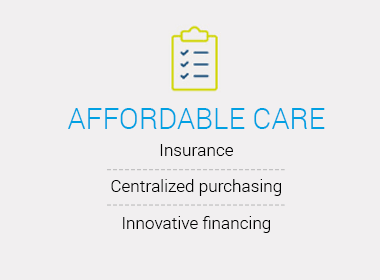
Affordable Care

Making the best cancer treatment in India accessible through:

  • Subsidised pricing.
  • Insurance schemes.
  • Innovative financing mechanisms.
Learn more

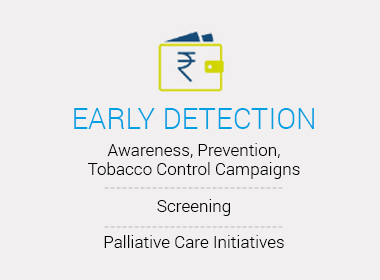
Early Detection

Reducing the cancer burden and transforming cancer care by:

  • Screening for non-communicable diseases, including common cancers (oral, breast, cervical).
  • Tobacco control activities.
  • Increased awareness of cancer symptoms and signs.
Learn more

TOP